Tyres, explained for UK drivers
TPMS Warning Light: What It Means and What to Do
7 November 2026
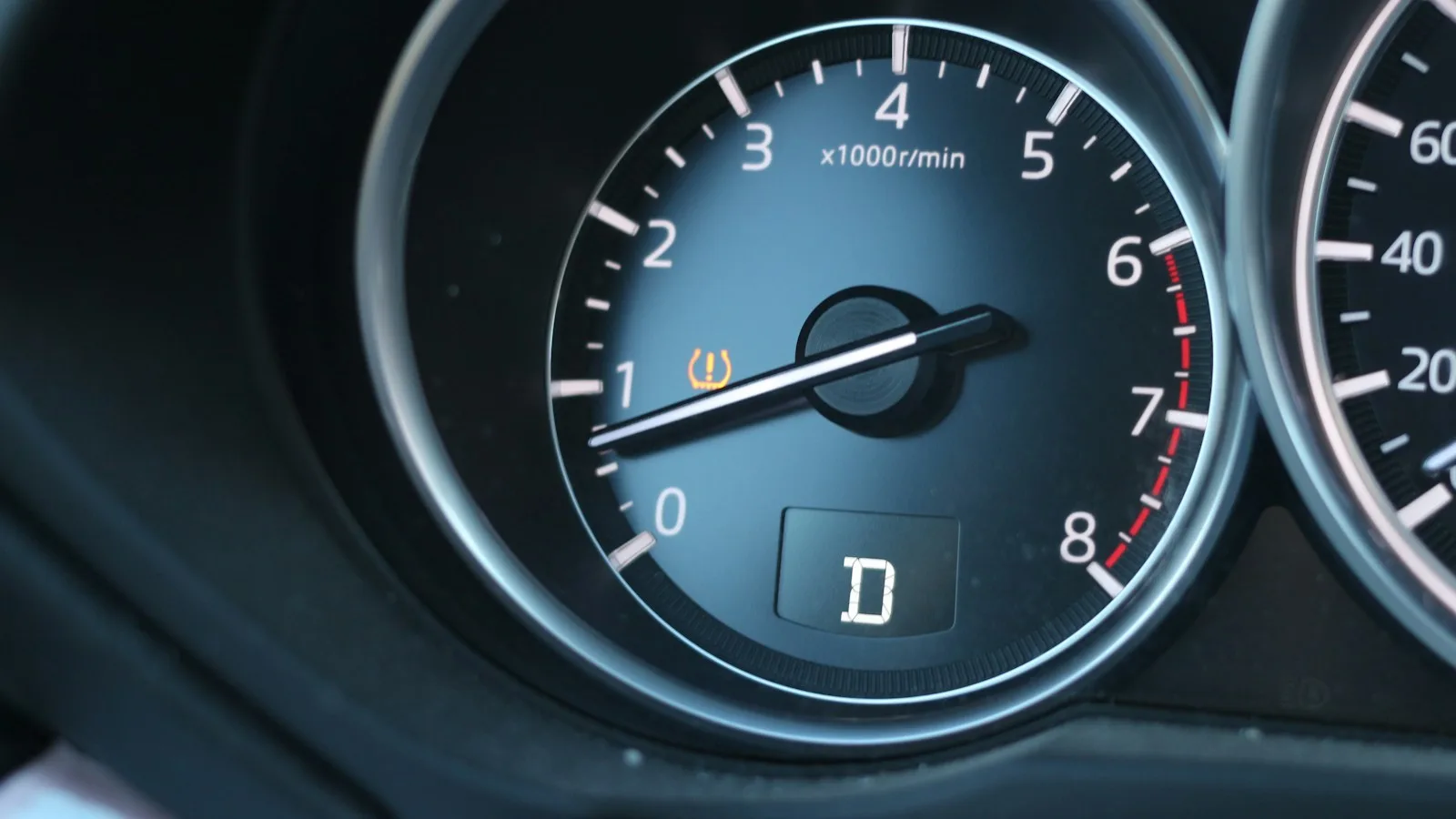
The TPMS warning light, a horseshoe shape with an exclamation mark, means the tyre pressure monitoring system thinks one or more tyres has lost pressure. If it stays on, check and inflate your tyres to the right pressure. If it flashes for a while and then stays on, the system itself may have a fault. Here's what the TPMS warning light means and what to do.
Quick answer: A steady TPMS light usually means low pressure in at least one tyre, so stop when it's safe, check all four tyres and inflate them to the pressures in your handbook. A light that flashes for a while and then stays on can mean a system fault, which needs looking at and can fail the MOT.
Key Takeaways
The TPMS light looks like a horseshoe with an exclamation mark.
A steady light usually means a tyre has lost pressure.
A light that flashes and then stays on can point to a fault in the system.
A malfunctioning TPMS is a major defect at the MOT for cars first used on or after 1 January 2012.
Check pressures weekly, when the tyres are cold.
What is TPMS?
A tyre pressure monitoring system watches your tyres and warns you when the pressure drops. There are two main types:
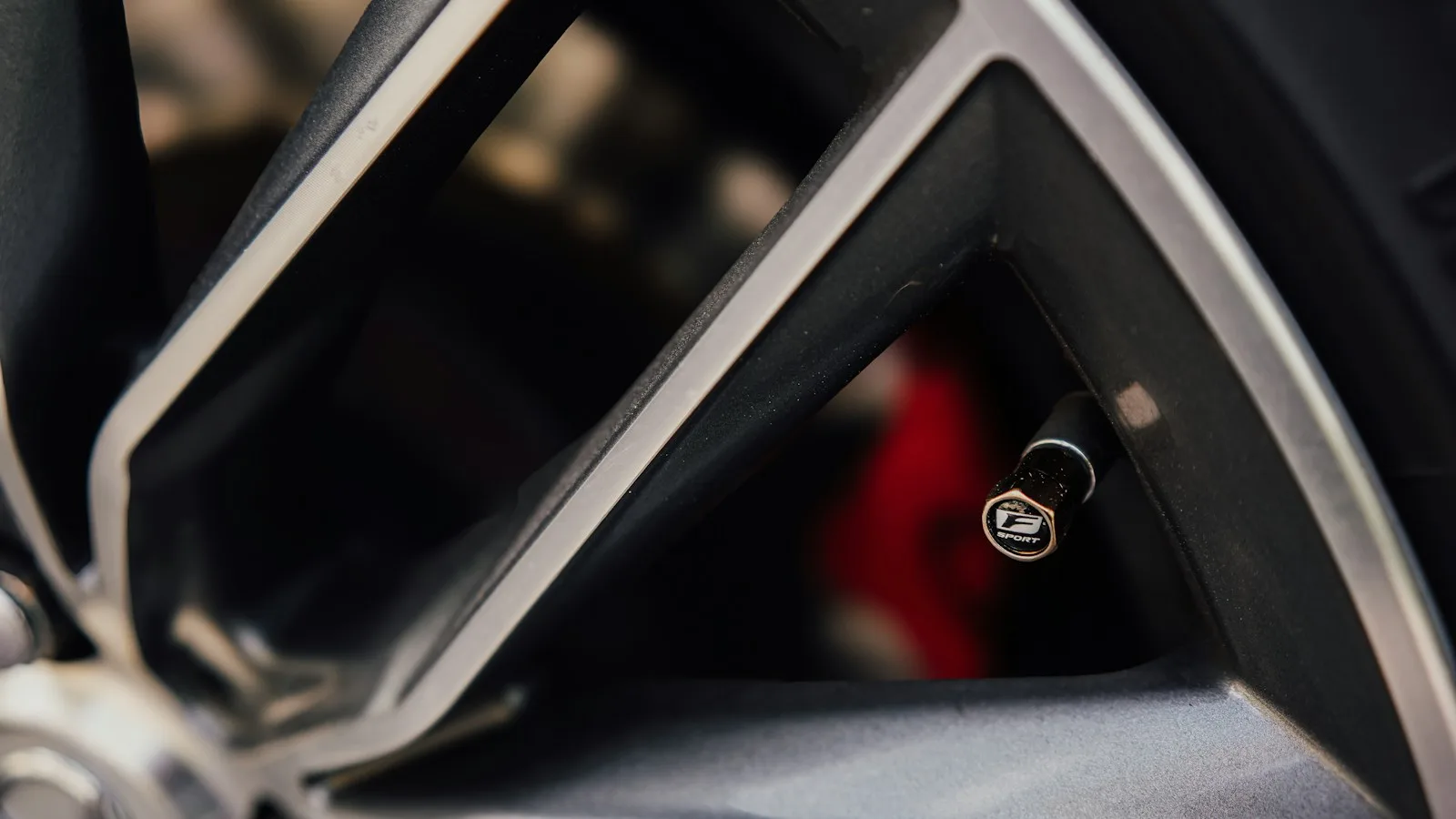
Direct TPMS uses a battery-powered sensor in each wheel, often built into the valve, to measure the pressure.
Indirect TPMS uses the car's wheel speed sensors. An under-inflated tyre has a slightly smaller rolling diameter, so it turns faster than the others, and the system spots the difference.
What the warning light is telling you
The MOT inspection manual describes how the warning lamp generally works:
It lights up when you switch on the ignition, then goes out.
If it stays on, the system has picked up a pressure loss.
If there's a malfunction, it may flash a number of times and then stay on.
The exact behaviour varies between cars, so your handbook is the best guide.
What to do when the light comes on
Stop when it's safe to do so and look at all four tyres for anything obvious, such as a nail or a flat.
If a tyre looks flat or damaged, don't drive on it. Our guide to puncture repairs explains your options.
If they look fine, drive gently to the nearest place where you can check pressures.
Inflate each tyre to the pressure in your handbook, or on the label often found inside the driver's door frame or fuel filler flap.
Follow the handbook to reset the system if your car needs it. Many indirect systems need a reset after you've adjusted pressures.
If the light comes back on soon after, a tyre may be losing air slowly. Have it checked by a tyre fitter.
Why the light comes on in cold weather
Tyre pressure drops as the air inside cools, so the light often comes on during the first cold mornings of the year. The Highway Code asks you to check pressures before a journey, when the tyres are cold, because warm tyres can give a misleading reading.
Cold weather is also a good time to think about tyre type. Our guide to all-season and winter tyres compares the options.
TPMS and the MOT
For cars first used on or after 1 January 2012, a tyre pressure monitoring system that is malfunctioning or obviously not working is a major defect, so the car fails. A lamp showing that a tyre is simply low isn't a fault in itself, and if the tester can't tell which it is, they record an advisory.
What the lamp does | What it usually means | At the MOT |
|---|---|---|
Comes on with the ignition, then goes out | System working | No problem |
Stays on | A tyre has lost pressure | Not a defect on its own |
Flashes, then stays on | Possible system fault | Can be a major defect |
Pressure matters for your tyres too
The Highway Code says tyres must be correctly inflated to the vehicle maker's specification for the load being carried, and that under- or over-inflated tyres affect your brakes and steering. Running tyres at the wrong pressure also makes them wear unevenly. Our tread depth guide shows the wear patterns to look for.
Is it safe to drive with the TPMS light on?
Not for long. Stop when it's safe and check your tyres. If a tyre is flat or damaged, don't drive on it.
Why is my TPMS light still on after I've pumped up the tyres?
Some systems need resetting, or need a short drive to clear. If it stays on, a tyre may be losing air or the system may have a fault.
Does a TPMS light mean an MOT fail?
A malfunctioning system on a car first used on or after 1 January 2012 is a major defect. A light that only shows low pressure isn't a defect on its own.
Can TPMS sensors be replaced?
Yes. Direct sensors are battery-powered and can be replaced by a tyre fitter or garage.
For the full legal rules on tyres, see our guide to UK tyre law.
You can also read the tester's TPMS checks in section 5 of the MOT inspection manual.