Tyres, explained for UK drivers
Puncture Repair or New Tyre: How to Decide
7 November 2026
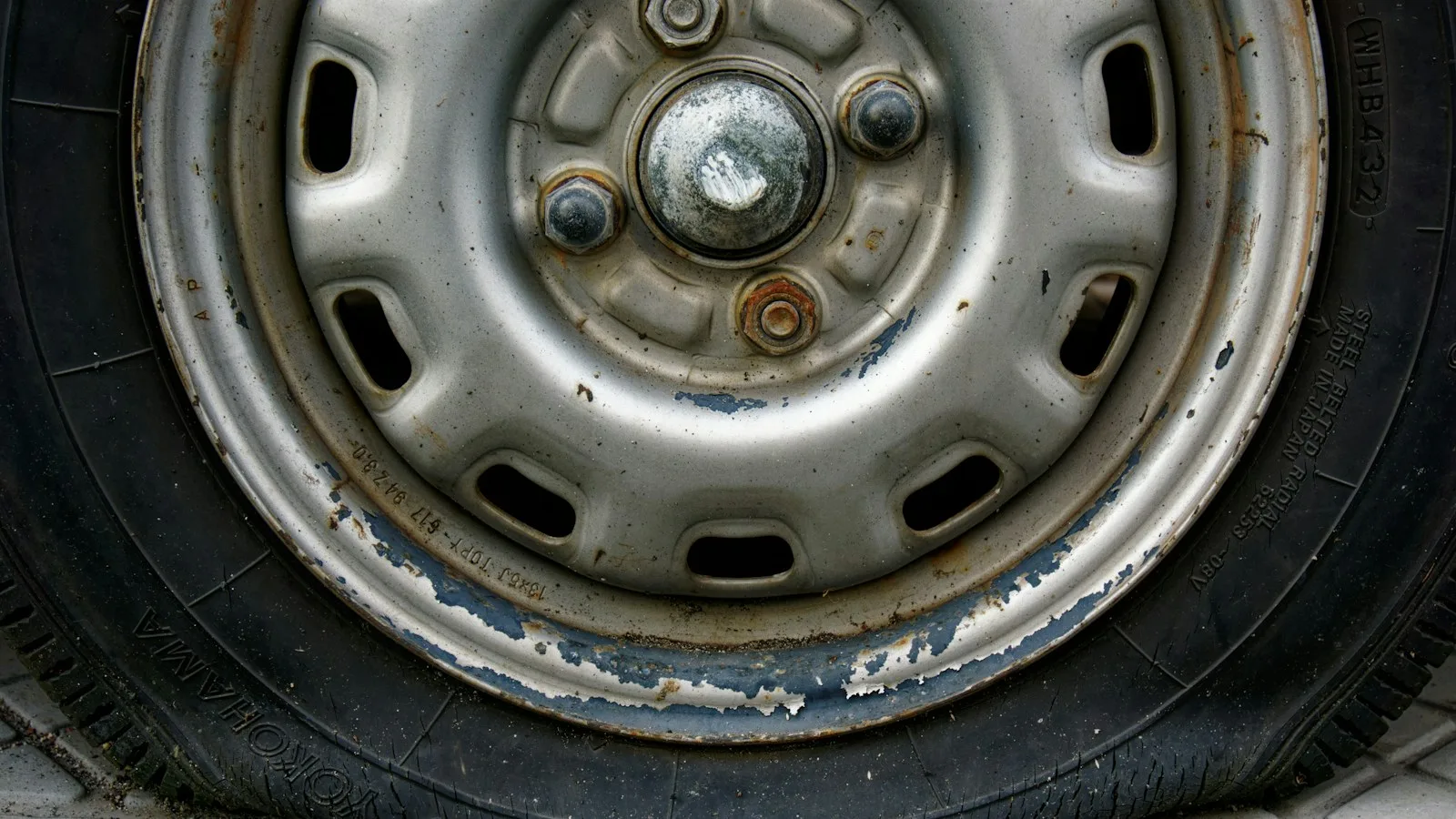
Whether you can have a puncture repaired or need a new tyre depends on where the damage is, how big it is and what state the rest of the tyre is in. A small hole in the central part of the tread can usually be repaired. Damage near or in the sidewall, a large hole, or a tyre that's been driven on flat usually means a new tyre. Here's how to decide between a puncture repair or new tyre.
Quick answer: A car tyre can usually be repaired if the puncture is in the central part of the tread and no more than 6mm across, and the tyre is otherwise in good condition. Punctures close to the sidewall, larger holes, damage inside the tyre, and most run-flat tyres mean a replacement.
Key Takeaways
The British Standard for tyre repairs is BS AU 159.
Repairs are only for punctures in the central part of the tread.
The maximum hole size for a repair is 6mm across.
Damage near the sidewall, or a tyre with its cords showing, can't be repaired.
Tyre makers generally advise replacing run-flat tyres rather than repairing them.
The rules a proper repair follows
In the UK, tyre fitters work to the British Standard BS AU 159, which sets out when a car tyre can be repaired. In short:
The puncture must be in the central part of the tread, not close to the sidewall.
The hole must be no more than 6mm across.
The tyre must be otherwise sound, with no damage to its casing and no cords showing.
The exact width of the repairable area depends on the tyre, so a fitter decides after looking at it.
When a repair is usually possible
A nail or screw in the middle of the tread, found early, is the classic repairable puncture. If you spot one, don't pull it out, because it may be partly sealing the hole. Check the pressure, keep an eye on it and get to a tyre fitter.
A fitter will usually take the tyre off the wheel to check the inside, because a tyre that's been run while soft can be damaged where you can't see it from outside.
When you need a new tyre
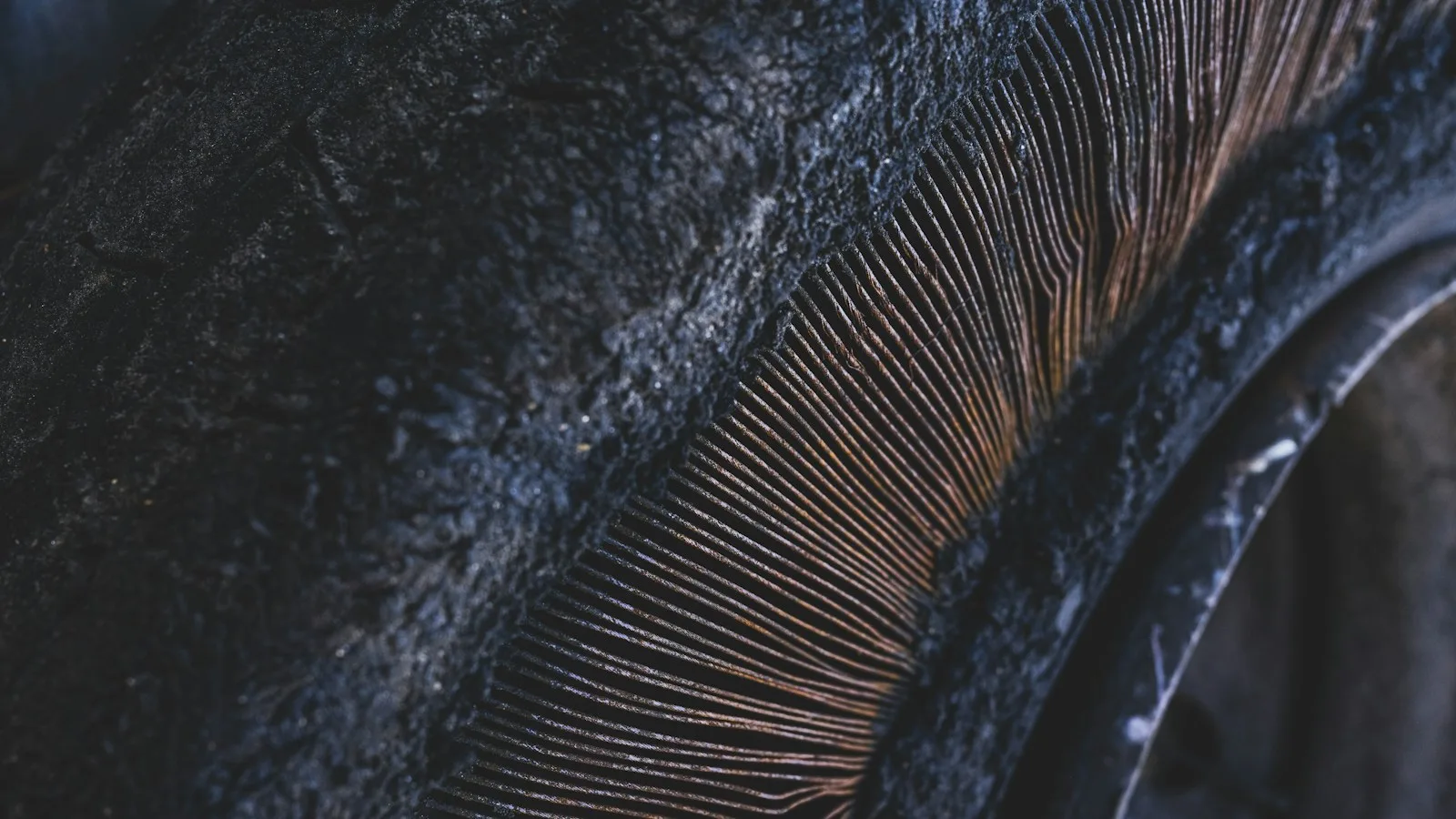
Sidewall or shoulder damage. The sidewall flexes as the tyre turns, so damage close to it can't be repaired.
A hole bigger than 6mm, or a cut or tear.
Damage to the casing, such as a bulge, or cords showing.
A tyre that's been driven on while flat. This can damage the inside of the tyre even if the outside looks fine.
Tread already close to the limit. There's little point repairing a tyre that's nearly worn out. Our guide to checking tread depth shows how to measure it.
Some of these are also legal problems. A tyre isn't legal on the road with a cut of more than 25mm or 10% of the section width, whichever is greater, deep enough to reach the ply or cord, or with any lump, bulge or tear. Our guide to UK tyre law has the full list.
Run-flat tyres
Run-flat tyres have reinforced sidewalls so you can keep driving for a limited distance after a puncture. Because of that reinforced structure, tyre makers generally advise against repairing them, and a punctured run-flat is usually replaced. Check your car's handbook for how far and how fast you can drive on a deflated run-flat.
If your car has run-flats, it may have a tyre pressure warning system that tells you when one loses air. Our guide to TPMS warning lights explains what the light means.
What to do at the roadside
The Highway Code says that if you have a flat tyre, you should stop as soon as it's safe to do so. Only change the wheel if you can do it without putting yourself or anyone else at risk. Otherwise, call a breakdown service.
If you do need a new tyre, our guide to reading a tyre size explains the markings to match.
Many newer cars come with a tyre repair kit instead of a spare wheel. These are meant to get you to a tyre fitter, so follow the kit's instructions and tell the fitter it's been used.
Repair or replace at a glance
Situation | Usual outcome |
|---|---|
Nail or screw in the central tread, hole 6mm or less | Usually repairable |
Puncture close to the sidewall | Replace |
Hole larger than 6mm, or a cut or tear | Replace |
Bulge, or cords showing | Replace |
Tyre driven on while flat | Usually replace, after the fitter checks inside |
Run-flat tyre | Usually replace |
Can any puncture be repaired?
No. Only punctures in the central part of the tread, no more than 6mm across, in an otherwise sound tyre can be repaired.
Can a tyre be repaired more than once?
It can be, as long as the repairs don't overlap and each one meets the standard. A fitter will tell you if it's safe.
Is a tyre sealant kit a permanent repair?
Treat it as a way of getting to a tyre fitter. Follow the kit's instructions and have the tyre checked.
Do I need to replace both tyres on the axle?
Not always. Tyres on the same axle must be the same size and construction, and a fitter may suggest a pair if the other tyre is well worn.
If you're not sure, have a tyre fitter look at it before you drive any distance. A quick inspection costs far less than the damage a failed tyre can cause.